Administrative Staff College of India
Dr. Kakarla Subba Rao Centre for Healthcare Management
Post Graduate Diploma in Management (Hospital Management)
AICTE Approved 2 Years Full Time Program
Dr. Kakarla Subba Rao Centre for Healthcare Management
Post Graduate Diploma in Management (Hospital Management)
AICTE Approved 2 Years Full Time Program
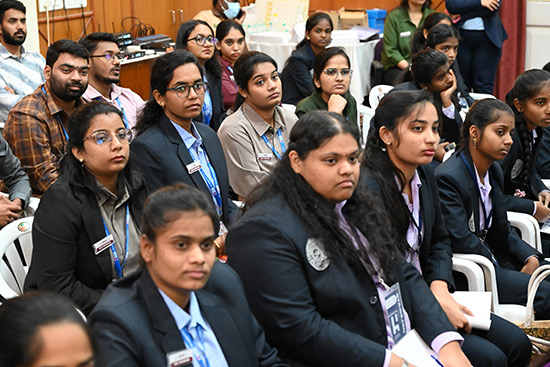

The Program Director sets the academic and strategic direction for the PGDM-HM. The Director chairs the curriculum committee, leads the engagement with industry advisors and recruiters, oversees academic quality, and represents the program to the wider healthcare and management community. For students, the Program Director is the senior-most academic point of contact, available for guidance on academic choices, career direction, and the harder questions that come up across two intensive years.
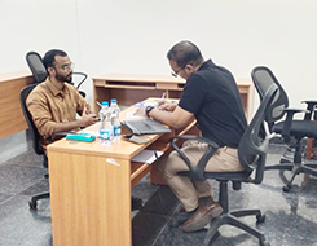
The PGDM in Hospital Management is a 2-year full-time programme structured across six trimesters, combining classroom learning with practical exposure and strong industry interaction. The first year focuses on building foundations in healthcare, management, and core subjects along with hospital visits and live projects. After this, students complete a 10-week internship in healthcare organisations, gaining real-world experience. In the second year, the focus shifts to advanced learning, specialisation, placement preparation, and a final internship with a dissertation. Students can specialise in areas like Hospital Management, Healthcare IT, Public Health, or Pharmaceutical Management, while continuous industry exposure ensures they are job-ready.
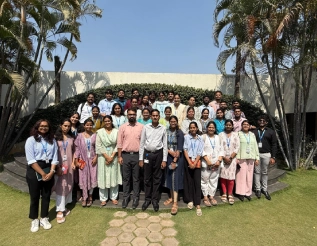
Learning at ASCI focuses on practical, real-world experience rather than just theory. Students learn through case-based discussions, hospital visits, live projects, and internships, which help them understand real healthcare challenges and decision-making. The programme also includes simulations, role plays, and sessions with industry experts to build practical skills. Students actively participate in conferences and events, gaining leadership and teamwork experience, while exposure visits and cross-programme interactions broaden their understanding of the healthcare sector. Continuous mentorship supports students in personal growth and career direction.
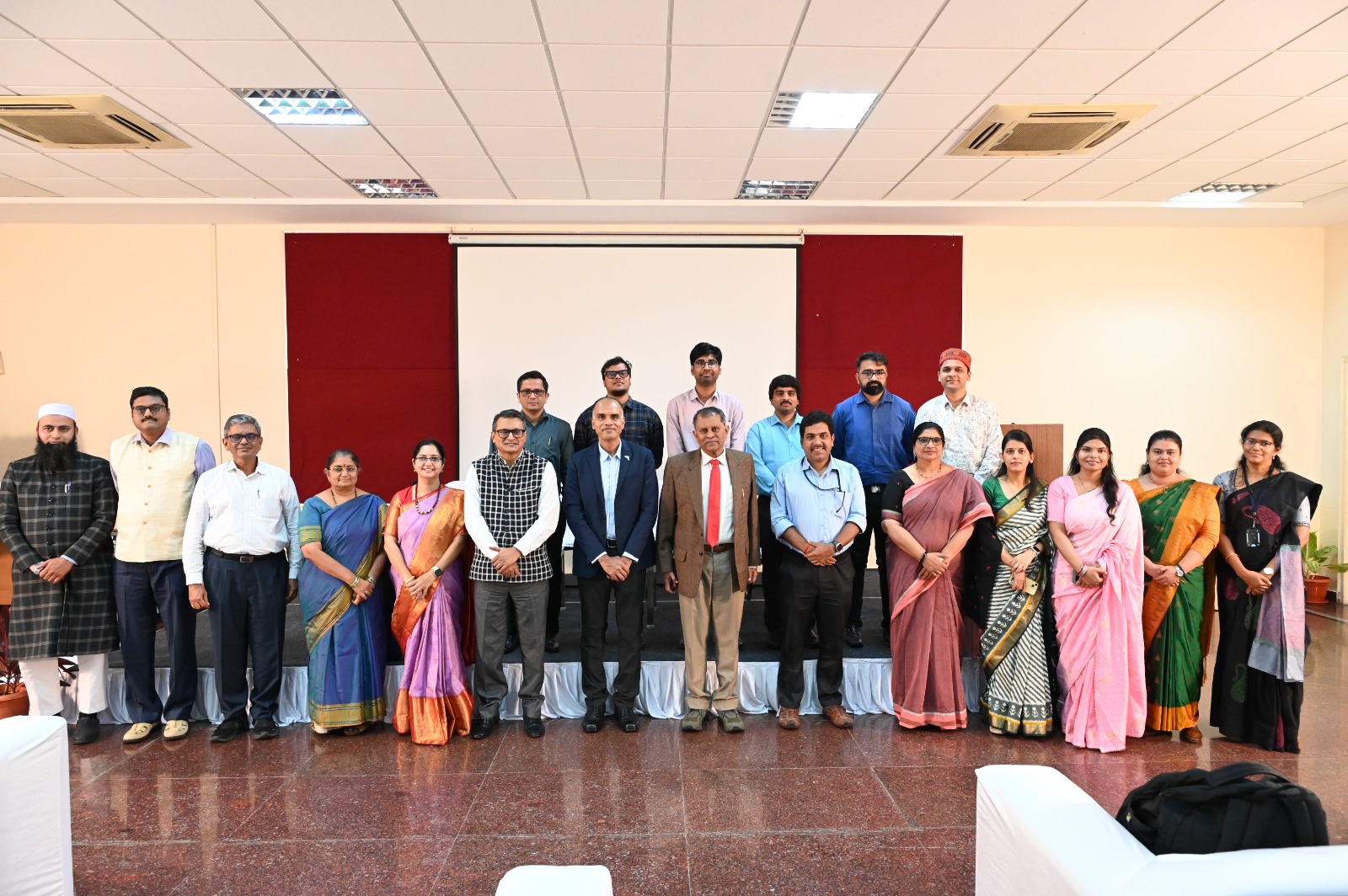
The Faculty Resources at ASCI bring together a strong mix of academic expertise and real industry experience. The programme is taught by core faculty who are not only educators but also actively involved in research and advisory work with organisations like the National Health Mission and the Union Ministry of Health, giving students exposure to real-world healthcare challenges. Alongside them, visiting faculty and industry experts such as hospital leaders, policymakers, and healthcare professionals regularly conduct sessions, adding practical insights to classroom learning. Senior alumni, now working in leadership roles across healthcare sectors, also contribute as mentors and guest faculty, creating a learning environment that is closely connected to the industry.
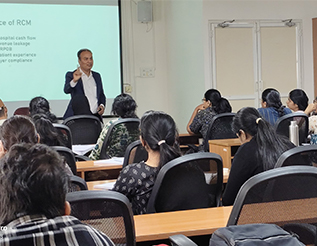
The faculty members of ASCI bring valuable knowledge and experience from the industry into the classroom through their teaching, research, consulting, and training in the area of healthcare management and related fields. Liberal use of audio-visuals, examples, and policy analysis makes the class sessions interesting and up-to-date. The students actively participate in class discussions, debates, deliberations, and problem-solving activities on topics relevant to contemporary healthcare organizations. This makes the class sessions intellectually stimulating, interactive, enriching, and highly relevant to the aspiring professionals in the field of hospital administration and hospital management.
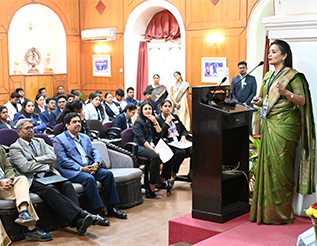
ASCI also helps students participate in various curricular and extracurricular activities like conferences, workshops, competitions, management festivals, cultural events, student meets, and sports activities. Students enrolled in the diploma in hospital management programme get to attend a number of national and international conferences and workshops every year to get a complete perspective of the healthcare industry. The College also promotes academic research and industry exposure by providing complete financial assistance to students who wish to present papers at prestigious conferences and seminars to enhance their credentials in healthcare management and health care administration.
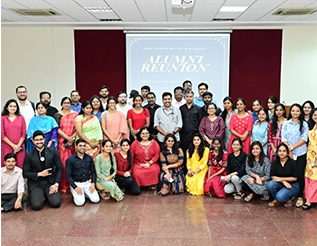
The PGDM-HM programme at ASCI has, over the years, developed a robust and powerful alumni base. ASCI PGDM-HM alumni are today leading professionals in senior leadership and managerial roles in prestigious hospitals, healthcare institutions, consulting companies, and related sectors in India and abroad.
The ASCI PGDM-HM Alumni Meet is an annual event organized by ASCI. The meet is a great platform for ASCI PGDM-HM alumni to network, learn from each other, and exchange their experiences. ASCI PGDM-HM alumni often come back to the ASCI campus to meet the current students, share their experiences, and offer guidance on a career in hospital management and healthcare administration.
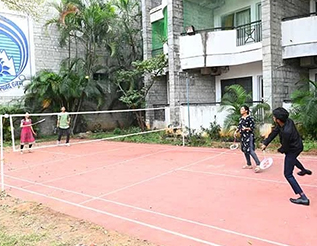
ASCI is of the strong view that physical fitness and sound mental health are an integral part of professional success. Students are encouraged to take an active interest in sports and games during the period of the hospital management course.
The college provides facilities for a number of sports and games such as swimming, billiards, chess, tennis, table tennis, badminton, caroms, croquet, and gym workouts. The annual sports events help to develop teamwork, discipline, and leadership qualities, which are necessary for successful hospital administrators.
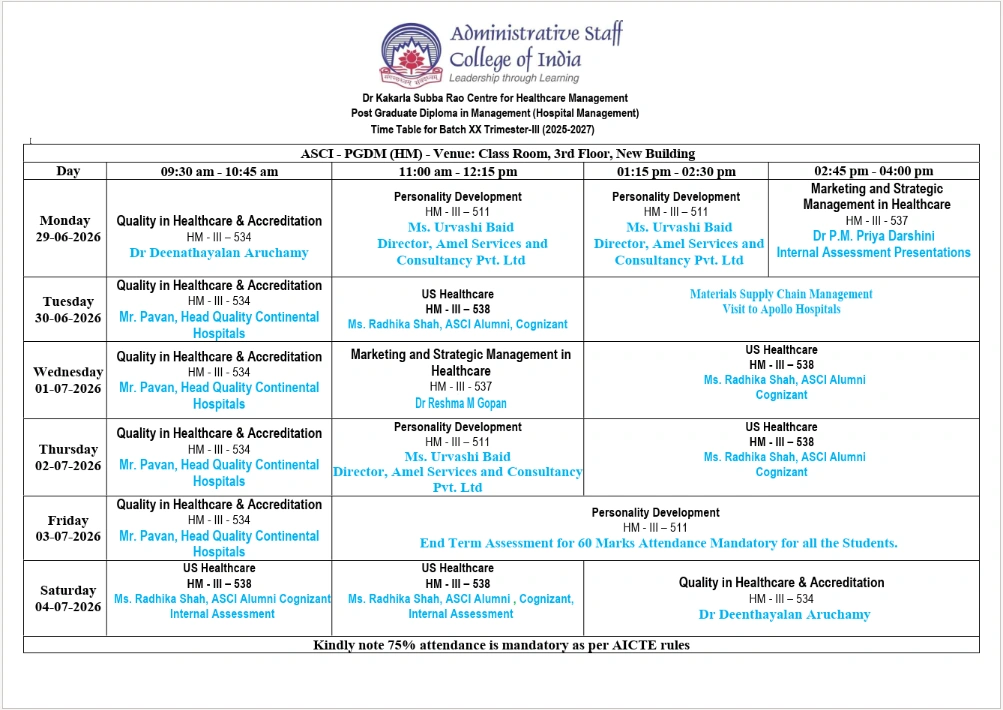
The PGDM-HM programme has a very rigorous and immersive academic schedule. The usual academic day begins at 0900 hours and ends at 1730 hours, providing ample learning opportunities to the students through a series of academic and experiential engagements.
The academic schedule of the programme comprises exposure visits, tests, quizzes, group discussions, experience-sharing sessions, participative learning exercises, analysis of case studies, role-playing exercises, simulation games, practical sessions, special lectures, and project presentations. The interdisciplinary themes are woven across the modules to give a holistic understanding of healthcare management and hospital operations.
The feedback of the students regarding the academic and administrative facilities is taken at regular intervals to ensure continuous improvement in the quality of the programme.
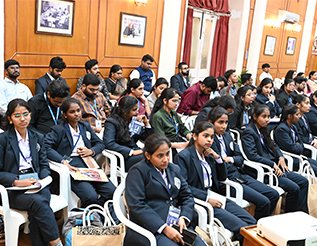
In order to ensure academic rigor, students are assessed continuously through a combination of assessment techniques such as assignments, case study presentations, quizzes, mini-projects, mid-term exams, and end-term exams.
Summer projects and internships are assessed through performance reports submitted by external industry mentors, dissertation reports, and formal presentations assessed by faculty members and industry experts. The assessment criteria ensure that students achieve conceptual clarity as well as practical expertise in hospital management and health care administration.
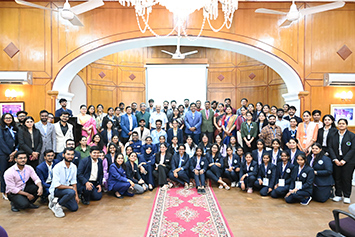
The Post Graduate Diploma in Management (Hospital Management) is awarded to those students who are able to meet all the requirements related to academics, internships, and evaluations. AICTE approves the Post Graduate Diploma in Management (Hospital Management). The diploma in hospital management is a recognized diploma that qualifies the graduate to take up senior positions in hospitals and related fields.
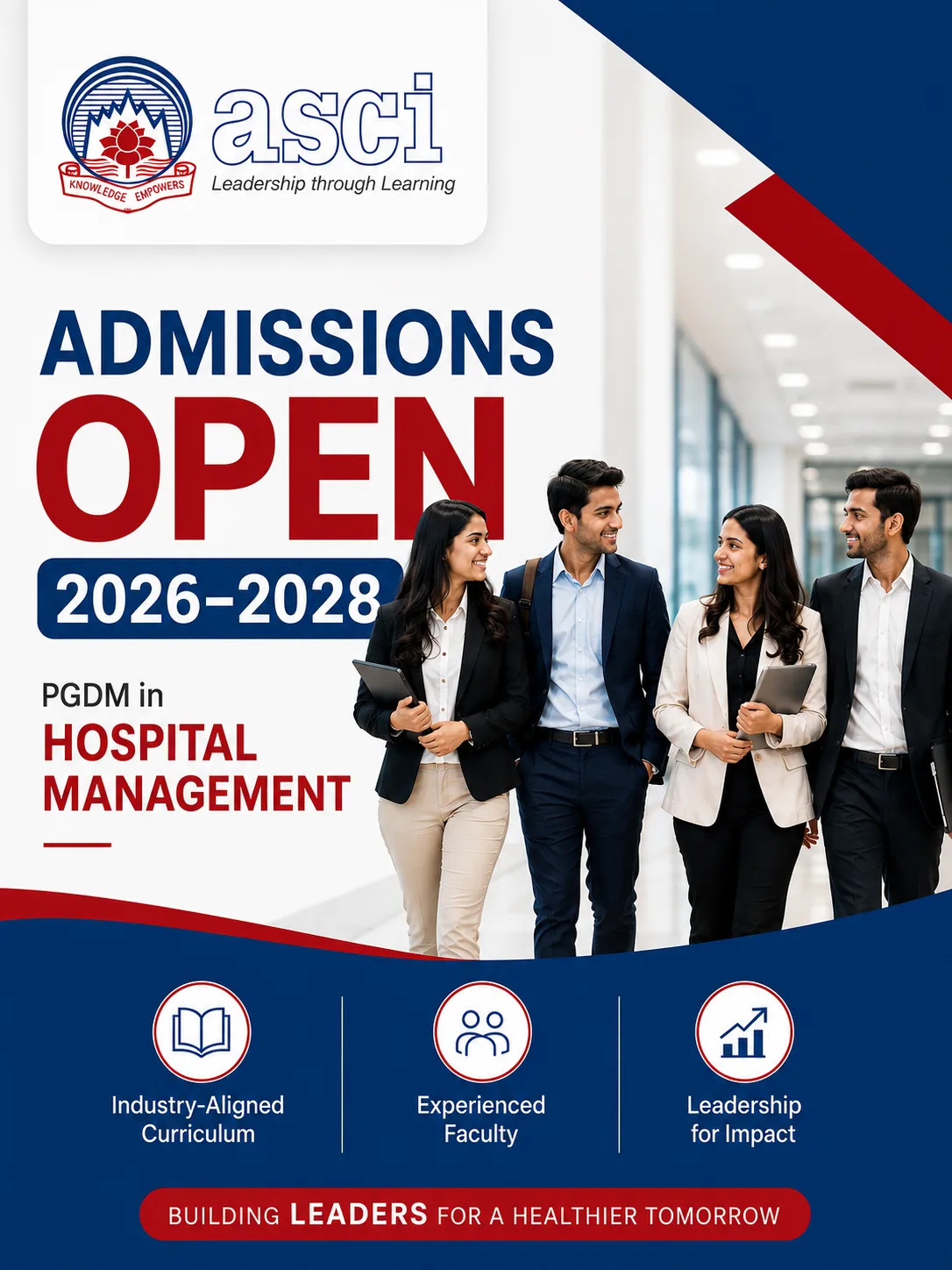
Get the brochure and admissions details on email.