Administrative Staff College of India

Dr. Kakarla Subba Rao Centre for Healthcare Management
Post Graduate Diploma in Management (Hospital Management)
AICTE Approved 2 Years Full Time Program
Administrative Staff College of India

Dr. Kakarla Subba Rao Centre for Healthcare Management
Post Graduate Diploma in Management (Hospital Management) AICTE Approved 2 Years Full Time Program
πŸ“ž
Call Now 9848000187 | 9848000236 | 9848000156

About ASCI

About ASCI

The Administrative Staff College of India was founded in 1956 in Hyderabad. It was set up by a group of industrialists, civil servants and academics who believed that India needed its own institution to prepare leaders for the country’s emerging public and private sectors. Pandit Jawaharlal Nehru inaugurated the College, and it remains one of the earliest management institutions in Asia.

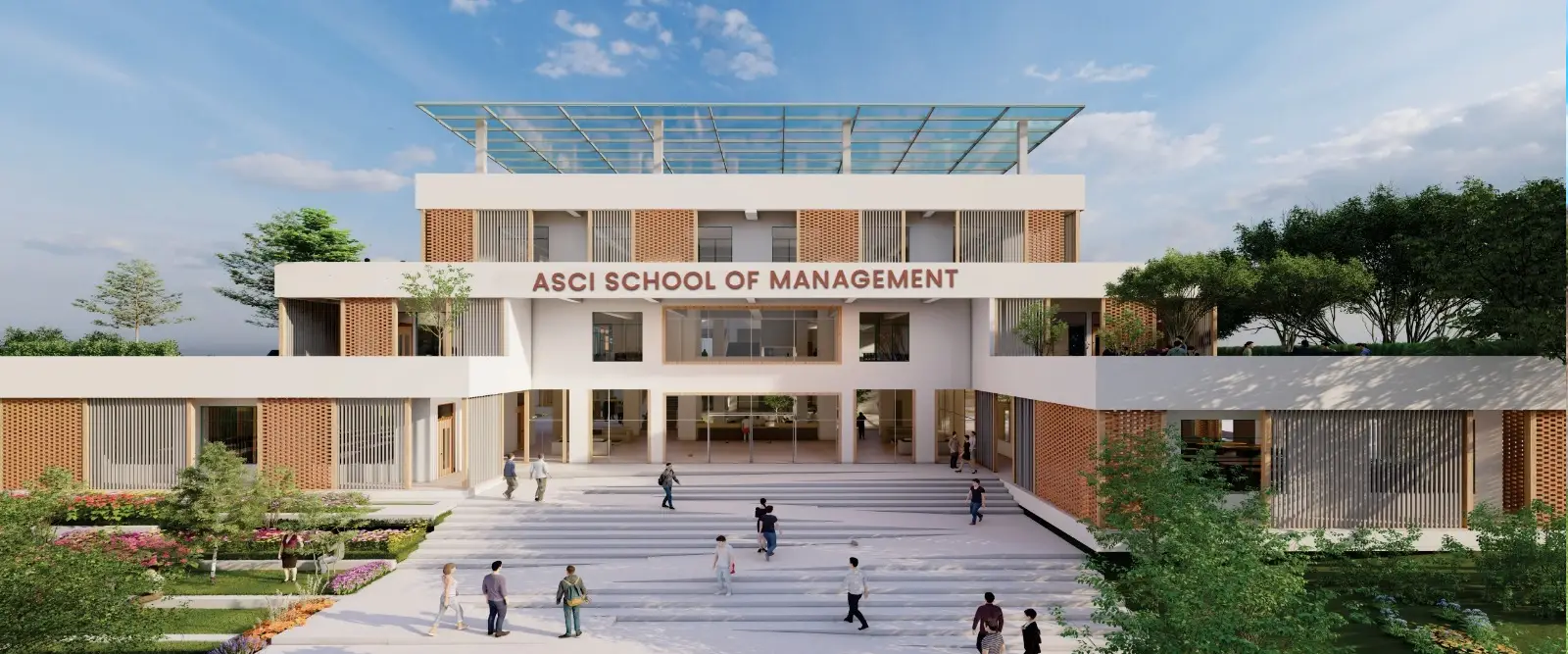
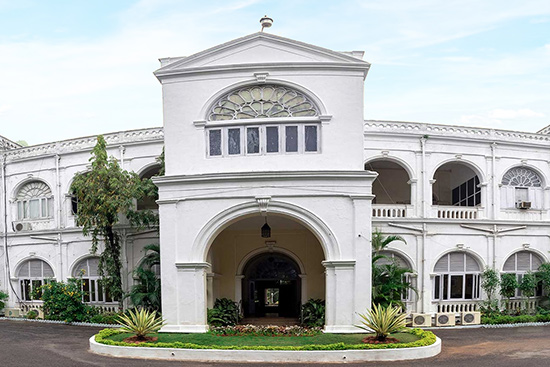
ASCI works at the meeting point of policy, management and practice. We bring together senior government officials, business leaders, academics and development professionals to learn from one another and from the real challenges facing India today. Our flagship Bella Vista campus on Raj Bhavan Road is a heritage building set in green grounds in the heart of Hyderabad, and the PGDM in Hospital Management is delivered at our College Park Campus on Road No. 3, Banjara Hills. Both are quiet, residential spaces designed for serious thinking and open conversation.
Over nearly seven decades, ASCI has trained more than 130,000 senior leaders across government, the public sector, private industry and the social sector. We run flagship programmes in general management, public policy, urban governance, energy, infrastructure and healthcare. Our work is grounded in research, and our advice is sought by ministries, state governments, multilateral agencies and companies across India.

ASCI today combines education, research and advisory work. We offer long-duration postgraduate programmes, short executive programmes for working professionals, and applied research and consulting services for governments, public institutions and industry. This blend of teaching, research and practice is what shapes the learning experience for every student on our campus.

ASCI PGDM-HM

ASCI Β· Hyderabad

Dr. Kakarla Subba Rao Centre for Healthcare Management

Administrative Staff College of India

The Centre for Healthcare Management at ASCI is named after Dr. Kakarla Subba Rao, one of India's most respected medical leaders. Dr. Rao was a pioneering radiologist, the founding Director of the Nizam's Institute of Medical Sciences (NIMS) in Hyderabad, and a Padma Bhushan awardee. He believed that good clinical care alone is not enough. Hospitals also need good management, good systems and good leadership. The Centre carries that belief forward.
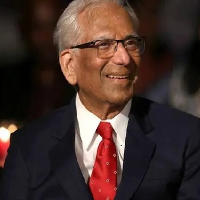
Dr. Kakarla Subba Rao Centre for Healthcare Management, ASCI
1981 Est. Programme
The Centre's Work

The Centre's work spans four areas

01

Postgraduate Education

The PGDM in Hospital Management, our flagship two-year residential programme that has been training healthcare leaders since 1988.

02

Executive Education

Management Development Programmes in healthcare for working professionals, covering hospital quality, NABH accreditation, healthcare finance, healthcare technology and innovation, and leadership for senior hospital administrators.

03

Applied Research

Research on Indian healthcare systems that informs policy, practice and the Centre's own teaching.

04

Healthcare Projects

Large on-the-ground projects, including the Gap Analysis of TVVP hospitals in Andhra Pradesh and Telangana, the Kayakalp initiative for public health facility improvement, and several state and national assessments of hospital performance and quality.

collaboration

Government Partnerships

Much of this work is done in close partnership with the National Health Mission, the Union Ministry of Health and Family Welfare, and state health departments across India. Central and state governments regularly engage the Centre to advise on hospital strengthening, quality improvement, public health programme design and healthcare workforce capacity. This positions the Centre at the centre of India's public healthcare reform conversations.
National Health Mission Union Ministry of Health & Family Welfare State Health Departments
Dr. Kakarla Subba Rao Centre for Healthcare Management, ASCI
1981 Est. Programme

Pioneering Hospital Management Education in India

The Post Graduate Diploma in Management (Hospital Management) program has been shaped over twenty-seven years of continuous refinement. Six features in particular define how our students learn, and why they leave ASCI ready for leadership roles in healthcare.

Structured Academic Schedule

Our academic calendar is designed to balance classroom learning with self-study, field exposure, and industry interaction. The rhythm across six trimesters ensures that students build their knowledge steadily rather than in bursts, which matters in a field as demanding as hospital administration.

Strong Placement Assistance

Placement support at ASCI is not a final-year activity. It begins early, through structured mentoring, mock interviews, and industry engagement, and it draws on long-standing recruiter relationships built over more than two decades. Our recruiters include hospital chains, healthcare consulting firms.

Access to Faculty & Mentorship

Students here do not study from a distance. They work closely with experienced faculty and industry practitioners through classroom sessions, seminars, case discussions, and one-on-one academic guidance.

Industry-Immersive Learning

The program is built around hospital visits, live projects, two industry internships totalling six months, guest lectures from senior healthcare leaders, and continuous industry interaction. Students apply what they have learned inside real hospitals and healthcare organizations, which is why our graduates step into their first roles already familiar with how the sector actually operates.

Multi-Modal Learning Approach

ASCI draws on textbooks, case studies, research papers, simulations, presentations, and policy discussions. This mix allows students to move smoothly from theory to practice, and it keeps the learning experience engaging across different styles of thinking and different kinds of healthcare challenges.

Practical & Participative Pedagogy

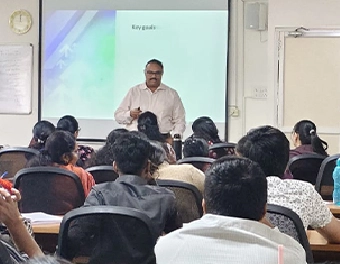
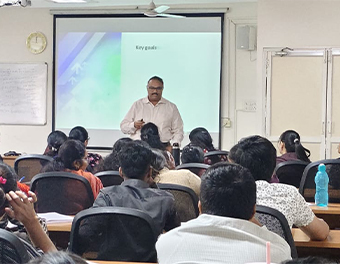
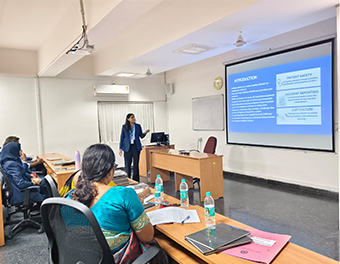
Our classrooms are built around case discussions, group projects, presentations, and continuous assessments rather than one-way lectures. Students are expected to analyse real-world healthcare problems, defend their thinking, and learn from the thinking of their peers. Leadership, decision-making, and problem-solving are developed through practice, not description.